

If you’d like to become a bookkeeper, consider earning a bookkeeping certificate and then volunteering to keep the books for small, local charities or causes to gain experience. Either way, outsourced services are usually much cheaper than hiring a full-time staff member. Be aware, however, that only a licensed accountant can prepare certified financial reports for lenders and investors. Managerial accounting uses operational information in specific ways to glean information. For example, it may use cost accounting to track the variable costs, fixed costs, and overhead costs along a manufacturing process.
Expenses

Documenting and categorizing financial transactions accurately is crucial for maintaining organized and reliable financial records. It ensures that financial information is recorded consistently and easily accessed for analysis, reporting, and compliance purposes. Here are some best practices for documenting and categorizing various types of financial transactions. Financial disputes and audits are other areas where accurate financial records play a crucial role.
- See Financial management – Procedures for records relating to the development and review of procedures for the management of financial resources.
- Traditional payment methods like paper checks are slow, prone to fraud, and labor-intensive.
- Adopting these methods helps maintain accuracy, ensures easy access, and improves financial management and reporting.
- There is no universal agreement as to which collection of business documents comprise a comprehensive set of accounting records.
- Optimize your business success with effective financial record-keeping strategies, ensuring accuracy and efficiency in managing your financial data.
The value of financial records management
- Individuals may face license revocation, suspension, or disciplinary actions from professional bodies.
- Financial records encompass various documents, including invoices, receipts, bank statements, financial statements, payroll records, ledgers, and journals.
- This includes familiarizing themselves with compliance requirements at federal, state, and sometimes local levels.
- Without any hiccups or last-minute scrambles, you’ll be able to enter tax season confidently.
- It is the catalyst for the entire process that shows any item bought or sold, depreciated, etc., that a business transacts.
In simpler words, the documentation of every single transaction, daily records, and employee performances within the organization. See Strategic management – Risk management for records relating to the identification and assessment of financial risks as part of broader strategic risk management processes. See Strategic management – Grant funding for records relating to applying for and receiving grants, other than financial records. See Financial management – Policy for petty cash records relating to the drafting and review of financial policies. See Strategic management – Audit for records relating to audits which cross functions, examine core functions or measure organisational performance or compliance at a strategic level.
- Their purpose is to provide consistent information to investors, creditors, regulators, and tax authorities.
- It reflects how changes in the balance sheet and income affect cash and cash equivalents, Painting a complete picture of the company’s liquidity.
- Bookkeepers must ensure that all transactions are accurately posted to the appropriate accounts in the general ledger.
- Regular audits and reviews ensure the budgeting process responds dynamically to the business’s needs.
- Small businesses can hire in-house, outsource, or manage bookkeeping with digital tools, depending on cost and needs.
Data Security and Fraud Prevention
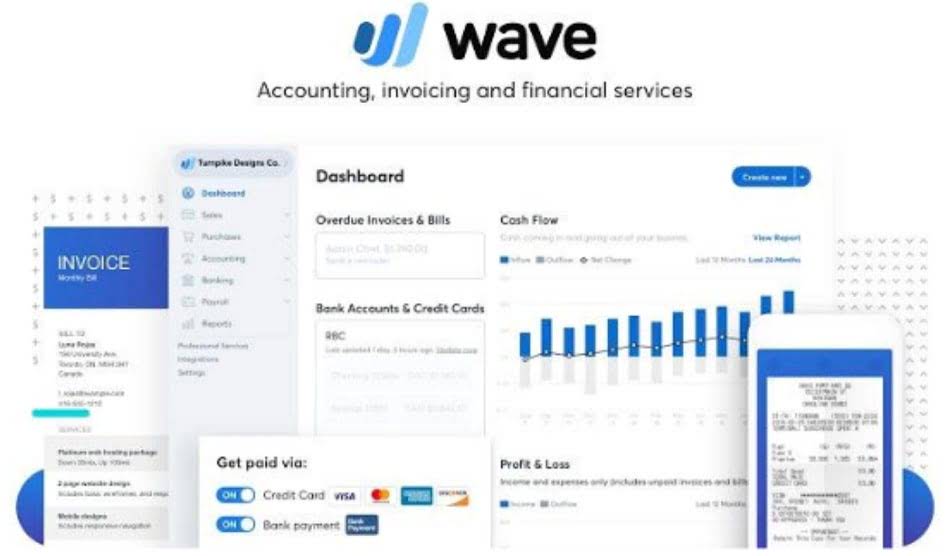
A general ledger is a central repository that records all financial transactions and is the foundation for financial reporting. Lastly, accurate financial records are instrumental in budgeting and cost control. By analyzing historical financial data, businesses can identify spending patterns, assess the effectiveness of cost-saving measures, and make informed decisions about resource allocation. Lastly, timely and accurate financial records inspire investor and creditor confidence. Potential investors and creditors rely on accurate financial records to assess creditworthiness, evaluate financial performance, and make informed decisions when seeking funding or investment.
In order to be most effective, a Grocery Store Accounting more in-depth analysis of organizational policies and practices may be necessary. Establishing how long to retain records involves the implementation of an accountable records retention policy. A records retention schedule outlines how long records should be kept from an operational and legal standpoint, and that outdated records are disposed of in a timely, systematic manner. Now that you’ve got a firm grasp on the basics of bookkeeping, let’s take a deeper dive into practicing good bookkeeping. There’s no one-size-fits-all answer to efficient bookkeeping, but there are universal standards. The following three bookkeeping practices can help you stay on top of your business’s financial resources.

In amplifying the accuracy of the transactions, recordkeeping gives a big push and helps maintain the image of the business as an ethical organization in the small business record keeping market. See Financial management – Audit for records relating to formal audits of the organisation’s accounts or financial management records, systems and processes. ERP invoice processing solves these issues by automating data capture, validation, and approvals, cutting costs and improving efficiency. By switching to an ERP system, you can streamline workflows and ensure accurate, timely payments. It automates invoice capture, validation, approval, and payment, ensuring efficiency, accuracy, and compliance across departments while recording transactions in the general ledger.
Separation of Personal and Business Finances
With financial transactions properly recorded, bookkeepers can then prepare key financial statements. These documents are critical for making informed business decisions, as they reflect the company’s financial stability and growth prospects. It helps businesses meet legal obligations by maintaining transparent and up-to-date financial records. Unlike traditional bookkeeping, which relies on periodic updates, real-time bookkeeping ensures continuous transaction recording, automated reconciliation, and real-time financial reporting. This allows business owners to make faster, data-driven decisions, reduce errors, enhance tax compliance, and stay audit-ready.

Best Practices for Efficient Financial Record-Keeping
These mistakes can add up, inflating operational costs and harming the company’s financial reputation. Keeping accurate and up-to-date records is vital to the success of your business. Good records help you to minimise losses, manage cash, meet any legal, regulatory and taxation authority requirements and improve financial analytics. Once you’ve organized your files and determined the right retention policy, it’s time to dispose of unneeded documents. Businesses can encounter trouble when it retains documents for longer than required, including data breaches and hefty penalties.
The time savings and reliability of accounting systems also help create more accurate records. The double-entry bookkeeping system ensures accuracy and completeness in financial record-keeping. This method hinges on the principle that every financial transaction affects at least two accounts, maintaining the accounting equation’s balance. For example, when a business makes a sale, it records an increase in revenue while simultaneously increasing accounts receivable or cash. This dual-entry approach helps in tracking financial transactions and detecting errors and fraud, as the ledger must always balance. Maintaining accurate financial records is integral for a business’s financial health.

